When I first heard the term cyber security, I thought it was something only computer experts or hackers needed to know. After learning more about it, I realized that cyber security affects every single person who uses the internet. Whether we use a smartphone, a laptop, online banking, social media, or even email, we all need cyber security in our daily lives.
Today, almost everything is connected to the internet. We shop online, communicate with friends, work remotely, study through online platforms, and store personal information on digital devices. While technology has made life easier, it has also created new risks. Cyber criminals are constantly looking for ways to steal personal information, hack accounts, spread malware, and scam innocent people.
As a beginner, understanding cyber security is one of the smartest things you can do. You do not need to become an expert overnight. Learning the basics can help you stay safe online and protect your personal information from cyber threats.
What Is Cyber Security
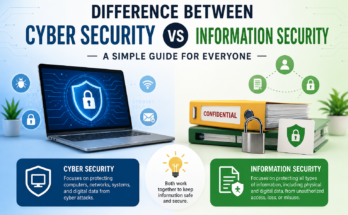
Cyber security is the practice of protecting computers, smartphones, networks, software, and data from cyber attacks. It involves using different methods, tools, and security practices to prevent unauthorized access, data theft, and damage to digital systems.
In simple words, cyber security acts like a security guard for your digital life. Just as we lock our homes to keep thieves away, cyber security helps protect our online accounts and devices from hackers.
Cyber security is not only important for businesses. It is equally important for students, teachers, freelancers, online shoppers, and anyone who uses the internet.
Why Cyber Security Is Important
Every day, millions of people use the internet without realizing how many cyber threats exist. A single mistake, such as clicking on a fake email or downloading an unsafe file, can lead to serious problems.
Cyber security is important because it protects our personal information, financial details, and private conversations. It also helps businesses protect customer data and maintain trust.
Without cyber security, hackers could easily steal passwords, access bank accounts, or even lock people out of their own devices.
As technology continues to grow, cyber security becomes even more important. The more connected we become, the more careful we need to be.
Common Cyber Threats Beginners Should Know
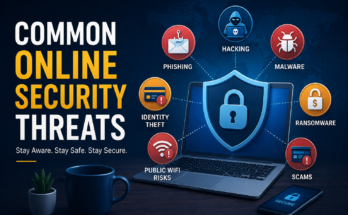
One of the first things I learned was that cyber attacks come in many different forms. Understanding these threats makes it easier to avoid them.
Malware
Malware is harmful software designed to damage computers or steal information. It can enter a device through unsafe downloads, infected websites, or email attachments.
Some common types of malware include viruses, worms, spyware, and ransomware.
Phishing
Phishing is one of the most common online scams. Cyber criminals send fake emails or messages pretending to be trusted companies. They try to trick people into revealing passwords, bank details, or personal information.
Many phishing emails look very real, which is why beginners should always verify the sender before clicking any links.
Password Attacks
Weak passwords make it easy for hackers to access online accounts. Many people still use simple passwords like 123456 or password, which can be guessed within seconds.
Using strong and unique passwords greatly improves online security.
Ransomware
Ransomware locks files or entire computers and demands money to unlock them. Victims often lose access to important documents, photos, and business data.
Regular backups help reduce the damage caused by ransomware.
Identity Theft
Identity theft happens when criminals steal personal information and use it for fraud. This may include opening bank accounts, making online purchases, or pretending to be someone else.
Protecting personal information is an important part of cyber security.
Basic Principles of Cyber Security
Although cyber security is a huge field, beginners only need to understand a few basic principles.
Confidentiality
Confidentiality means keeping sensitive information private. Only authorized people should have access to important data.
Integrity
Integrity means making sure information remains accurate and unchanged unless authorized.
Availability
Availability means ensuring systems and data remain accessible whenever authorized users need them.
These three principles form the foundation of modern cyber security.
How Hackers Attack Beginners
Many beginners believe hackers only target large companies. In reality, hackers often prefer targeting ordinary people because they usually have weaker security.
Hackers may send fake emails, create fake websites, spread malicious software, or steal passwords through data breaches.
Sometimes they even pretend to be customer support representatives and ask people to share login information.
The good news is that most of these attacks can be avoided by following basic cyber security practices.
Tips for Staying Safe Online
Learning cyber security does not have to be difficult. Small habits can make a huge difference.
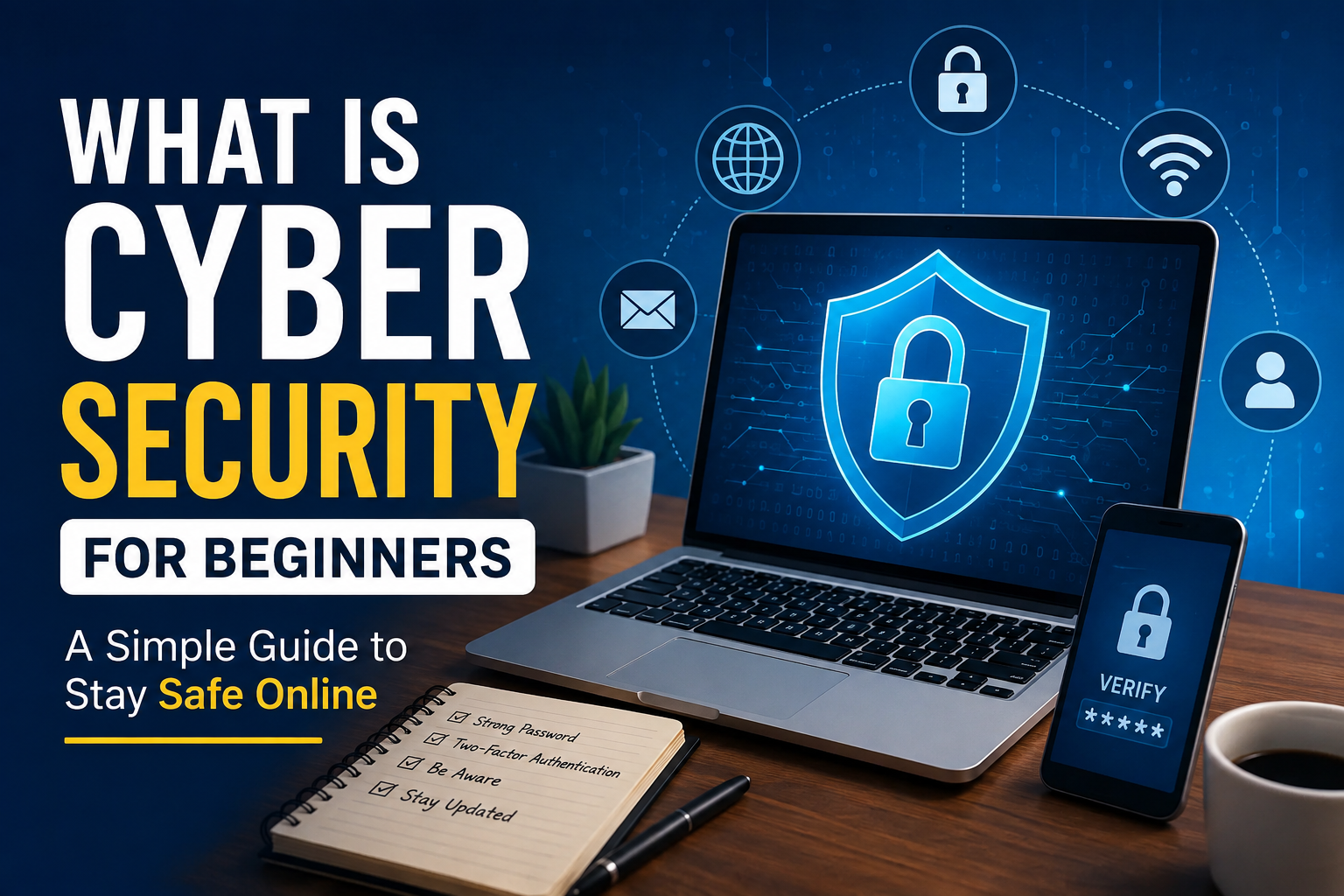
Always create strong passwords using a combination of letters, numbers, and symbols.
Use a different password for every important account.
Enable two factor authentication whenever possible because it adds an extra layer of security.
Keep your operating system and software updated since updates often fix security weaknesses.
Avoid downloading files from unknown websites.
Never click suspicious email links without verifying the sender.
Install reliable antivirus software on your computer.
Back up important files regularly.
Use secure WiFi networks instead of public WiFi whenever possible.
Think carefully before sharing personal information online.
Types of Cyber Security
Cyber security includes several different areas, each focusing on protecting different parts of technology.
Network Security
Network security protects internet connections and computer networks from unauthorized access.
Information Security
Information security focuses on protecting valuable data from theft, misuse, or destruction.
Cloud Security
Many people store files in cloud services today. Cloud security protects data stored on cloud platforms.
Application Security
Application security helps protect websites and software applications from cyber attacks.
Mobile Security
Smartphones contain a large amount of personal information. Mobile security protects mobile devices from malware and unauthorized access.
Cyber Security Tools Beginners Should Know
Many useful tools help improve online security.
Antivirus software detects and removes malware.
Firewalls monitor network traffic and block suspicious connections.
Password managers generate and store strong passwords safely.
Virtual Private Networks create encrypted internet connections that improve privacy.
Backup software protects important files from accidental loss or ransomware attacks.
Using these tools together creates a stronger security system.

Common Mistakes Beginners Make
Many people accidentally increase their cyber risk without realizing it.
Using the same password for every account is one of the biggest mistakes.
Ignoring software updates leaves devices vulnerable.
Clicking unknown links without checking them can lead to phishing attacks.
Downloading free software from untrusted websites often installs malware.
Sharing too much personal information on social media can also help cyber criminals target victims.
Avoiding these simple mistakes significantly improves online safety.
Career Opportunities in Cyber Security
Cyber security is one of the fastest growing industries in the world.
Organizations need professionals who can protect their systems from cyber attacks.
Some popular career paths include Security Analyst, Ethical Hacker, Penetration Tester, Security Engineer, Digital Forensics Expert, Incident Response Specialist, and Security Consultant.
Many beginners start by learning networking, operating systems, and basic programming before moving into advanced cyber security topics.
The demand for skilled cyber security professionals continues to increase every year.
How Beginners Can Start Learning Cyber Security
When I started learning cyber security, I discovered that consistency is more important than speed.
Begin by understanding how computers and the internet work.
Learn about operating systems such as Windows and Linux.
Study common cyber threats and security practices.
Practice using virtual machines instead of experimenting on your main computer.
Watch educational videos, read trusted blogs, and complete beginner friendly online courses.
As your knowledge grows, you can learn ethical hacking, penetration testing, network security, and digital forensics.
The key is to keep learning because cyber security changes constantly.
Final Thoughts
Cyber security is no longer optional. It has become an essential skill for anyone who uses the internet. Every email we send, every website we visit, and every online account we create can become a target if we ignore basic security practices.
From my experience, learning cyber security does not require advanced technical knowledge in the beginning. It starts with understanding common threats, creating strong passwords, keeping software updated, and thinking carefully before clicking unknown links. These simple habits can prevent many cyber attacks.
As technology continues to evolve, cyber threats will also become more advanced. That is why learning cyber security is a continuous journey rather than a one time lesson. The more knowledge we gain, the better we can protect ourselves, our families, and our personal information.
If you are a complete beginner, do not feel overwhelmed. Start with the basics, practice safe online habits every day, and continue learning step by step. Over time, you will become more confident in protecting your digital life and understanding the exciting world of cyber security.