In today’s digital world, almost everything we do depends on the internet. We shop online, use social media, send emails, manage bank accounts, store personal photos, and even work from home using online platforms. Technology has made life easier, but it has also created new risks. Every day, hackers try to steal information, damage systems, and trick people into sharing sensitive data. This is exactly why I believe cyber security is more important today than ever before.
Cyber security is not only for large companies or government organizations. It is something that every internet user should understand. Whether you are a student, a freelancer, a business owner, or simply someone who enjoys browsing the web, protecting your digital life should be one of your top priorities.
Understanding Cyber Security
When I think about cyber security, I simply think of protecting computers, mobile devices, networks, and online accounts from cyber attacks. It includes different tools, technologies, and best practices that help keep personal and business information safe.
Hackers are constantly looking for weaknesses. They create fake websites, send phishing emails, spread malware, and attempt to steal passwords. Good cyber security acts like a strong security guard that helps prevent these threats from causing harm.
Our Personal Information Has Value
Many people believe that hackers only target wealthy individuals or large organizations. In my opinion, this is one of the biggest misconceptions. Every person’s data has value.
Our names, phone numbers, email addresses, passwords, identity documents, banking details, and even browsing history can be useful to cyber criminals. Once this information is stolen, it can be sold online or used for identity theft.
This is why protecting personal information should never be ignored. A single weak password or careless click can expose valuable data.
Cyber Crime Is Growing Every Year
One of the biggest reasons why cyber security is important is the increasing number of cyber attacks around the world. Every year, millions of people become victims of online scams.
Cyber criminals are becoming smarter. They use advanced technology and social engineering techniques to fool even experienced internet users. Fake emails now look almost identical to real ones. Fraudulent websites are becoming more convincing. Even phone scams have become more sophisticated.
As technology continues to evolve, cyber criminals also improve their methods. This means our security practices must continue improving as well.
Protecting Financial Information
Most people now use online banking, digital wallets, and shopping websites. While these services offer convenience, they also attract cyber criminals.
If someone gains access to your banking information, they may transfer money, make unauthorized purchases, or steal your financial identity. Recovering lost money can sometimes be difficult and stressful.
I believe everyone should protect financial information by using secure passwords, enabling two factor authentication, and avoiding suspicious websites.
Businesses Depend on Cyber Security
Businesses of every size store valuable customer information. This includes payment details, employee records, contracts, and confidential business data.
A successful cyber attack can cause huge financial losses. Companies may lose customer trust, face legal problems, and spend thousands of dollars recovering from security breaches.
Small businesses are often targeted because they usually have weaker security systems than large corporations.
Investing in cyber security is much cheaper than dealing with the consequences of a major cyber attack.
Identity Theft Can Change Lives
Identity theft is one of the most serious consequences of poor cyber security.
If criminals steal someone’s identity, they may open bank accounts, apply for loans, make online purchases, or commit crimes using another person’s information.
Victims often spend months trying to recover their identity and repair damaged credit records.
Simple habits like protecting passwords, monitoring accounts regularly, and avoiding suspicious links can reduce this risk significantly.
Protecting Children Online
Children are spending more time online than ever before. They use the internet for education, games, videos, and social networking.
Unfortunately, the internet also contains dangerous people who target young users.
Cyber security helps parents protect children from online predators, cyberbullying, inappropriate content, and online scams.
Teaching children safe internet habits from an early age is one of the best investments parents can make.
Privacy Matters
Privacy has become one of the biggest concerns in the digital age.
Every website we visit collects some information about us. Social media platforms, mobile applications, and online services often request access to personal data.
Without proper cyber security, this information can fall into the wrong hands.
I believe everyone deserves privacy online. Using secure websites, reviewing app permissions, and protecting personal accounts helps maintain that privacy.
Remote Work Has Increased Security Risks
Remote work has become common across many industries. Employees now access company files from home using personal devices and internet connections.
While this provides flexibility, it also creates additional security risks.
Home networks are usually less secure than corporate networks. Hackers know this and often target remote workers through phishing emails and fake login pages.
Businesses must educate employees about cyber security best practices to reduce these risks.
Building Trust Online
Trust is extremely important in the digital world.
When customers visit a website, they expect their information to remain secure. If a website experiences a data breach, visitors may never return.
Strong cyber security helps businesses build credibility and maintain customer confidence.
Website owners should use secure connections, update software regularly, and protect customer information with proper security measures.
Importance of Cyber Security for Governments
Cyber security is not only important for individuals and businesses. Governments also depend heavily on digital systems to manage public services, national security, healthcare, education, transportation, and financial records. A successful cyber attack on a government system can affect millions of people at once.
Government databases often contain sensitive information such as citizen records, tax information, and legal documents. If hackers gain access to this data, the consequences can be severe. That is why governments around the world continue investing in stronger cyber security systems to protect national interests and maintain public trust.
Protection Against Ransomware
One of the fastest growing cyber threats today is ransomware. This type of attack locks files or entire computer systems and demands money in exchange for restoring access.
I have seen many stories where hospitals, schools, and businesses were forced to stop their operations because of ransomware attacks. In some cases, organizations paid large amounts of money but still failed to recover all of their data.
Strong cyber security practices such as regular backups, updated software, employee awareness, and antivirus protection can significantly reduce the chances of becoming a victim of ransomware.
Safe Online Shopping
Online shopping has become part of everyday life. From clothing and electronics to groceries and digital services, people buy almost everything online.
Although online shopping is convenient, it also comes with risks. Fake shopping websites, stolen payment information, and fraudulent sellers are common problems. Without proper cyber security, customers can easily lose money or expose their financial details.
I always prefer shopping from trusted websites that use secure connections. Checking website security, reading reviews, and avoiding suspicious offers are simple habits that make online shopping much safer.
Social Media Security
Social media platforms have connected people across the world, but they have also become attractive targets for cyber criminals.
Hackers often try to steal social media accounts to spread scams, send fake messages, or collect personal information. A compromised account can damage someone’s reputation and even be used to target friends and family.
Protecting social media accounts with strong passwords, two factor authentication, and careful privacy settings is an important part of cyber security.
Cyber Security Supports Business Growth
Customers trust businesses that take security seriously. When people know their personal information is protected, they feel more confident making purchases or sharing their details.
On the other hand, a company that experiences repeated security breaches may lose customers and damage its reputation. Recovering that trust can take years.
In my opinion, investing in cyber security is not just about preventing attacks. It is also about creating a reliable and professional business that customers can trust.
Education Plays a Key Role
Technology changes quickly, and cyber threats change with it. This means learning about cyber security should never stop.
Schools, universities, companies, and families all have a role in teaching safe online habits. Even basic knowledge such as recognizing phishing emails or creating strong passwords can prevent many cyber attacks.
The more people understand cyber security, the safer the internet becomes for everyone.
The Future of Cyber Security
As technology continues to grow, cyber security will become even more important. Artificial intelligence, cloud computing, smart devices, and the Internet of Things are changing the way we live and work.
While these technologies offer many benefits, they also create new opportunities for cyber criminals. Security experts must constantly develop new solutions to stay ahead of emerging threats.
I believe cyber security will remain one of the most valuable skills in the digital world. Businesses and individuals who prioritize security today will be better prepared for tomorrow’s challenges.
Simple Ways to Improve Cyber Security
Everyone can take small steps to improve their online safety.
Use strong and unique passwords for every account.
Enable two factor authentication whenever possible.
Keep your operating system and applications updated.
Install trusted antivirus software.
Avoid clicking suspicious links or downloading unknown files.
Back up important files regularly.
Only connect to secure and trusted WiFi networks.
Be careful about the personal information you share online.
Monitor your accounts for unusual activity.
Stay informed about the latest cyber threats and security practices.
These habits may seem simple, but together they provide strong protection against many common cyber attacks.
Frequently Asked Questions
What is cyber security?
Cyber security is the practice of protecting computers, networks, mobile devices, and digital information from hackers, malware, and other online threats.
Why is cyber security important for everyone?
Everyone uses the internet in some way. Cyber security protects personal information, financial data, online accounts, and digital privacy from cyber criminals.
What are common cyber threats?
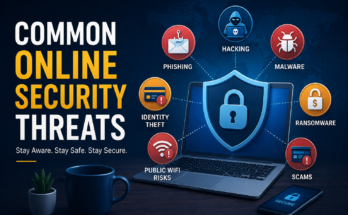
Some of the most common threats include phishing attacks, malware, ransomware, identity theft, password attacks, and data breaches.
How can I protect myself online?
You can improve your security by using strong passwords, enabling two factor authentication, updating software regularly, avoiding suspicious links, and backing up important data.
Is cyber security only for businesses?
No. Cyber security is important for individuals, students, families, businesses, and governments. Anyone who uses the internet can become a target of cyber attacks.
Conclusion
In my opinion, cyber security has become one of the most important aspects of modern life. We depend on technology for communication, education, banking, shopping, entertainment, and business. As our dependence on digital services continues to grow, so do the risks associated with cyber crime.
Protecting our personal information is no longer optional. Every internet user has a responsibility to practice safe online habits and remain aware of evolving cyber threats. Simple actions such as using strong passwords, updating software, enabling two factor authentication, and staying informed can make a significant difference.
Cyber security is not just about technology. It is about protecting our identity, privacy, finances, and future. By making cyber security a daily habit, we can enjoy the benefits of the digital world with greater confidence and peace of mind.